

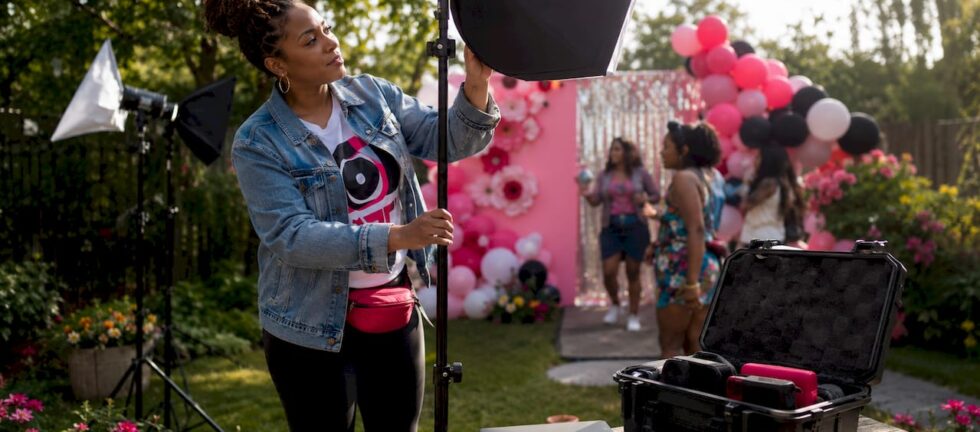
Photo booth lighting is defined as the controlled illumination system that directly determines photo quality and shapes the atmosphere guests experience at your event. Getting it right means vibrant, flattering images. Getting it wrong means muddy skin tones, wasted prints, and a booth that fights your venue’s carefully designed mood. Understanding what is photo booth lighting impact venues reveals that the stakes go well beyond a bright bulb. Professional lighting maintains true colours and sharp details across venue types ranging from bright trade shows to dark banquet halls, and ZATTU PHOTO BOOTH builds every setup around this principle.
What is photo booth lighting impact on venues and photo quality?
Photo booth lighting directly controls three things: skin tone accuracy, shadow softness, and the degree to which the booth integrates with your venue’s existing atmosphere. When these three factors align, guests walk away with frame-worthy keepsakes. When they don’t, photos get discarded at a rate that surprises most event planners.
The colour rendering index, known as CRI, measures how accurately a light source reproduces skin tones compared to natural daylight. A CRI of 90 or above is the professional standard for portrait photography. Lights that fall below this threshold produce a greenish or orange cast that no amount of digital editing fully corrects.
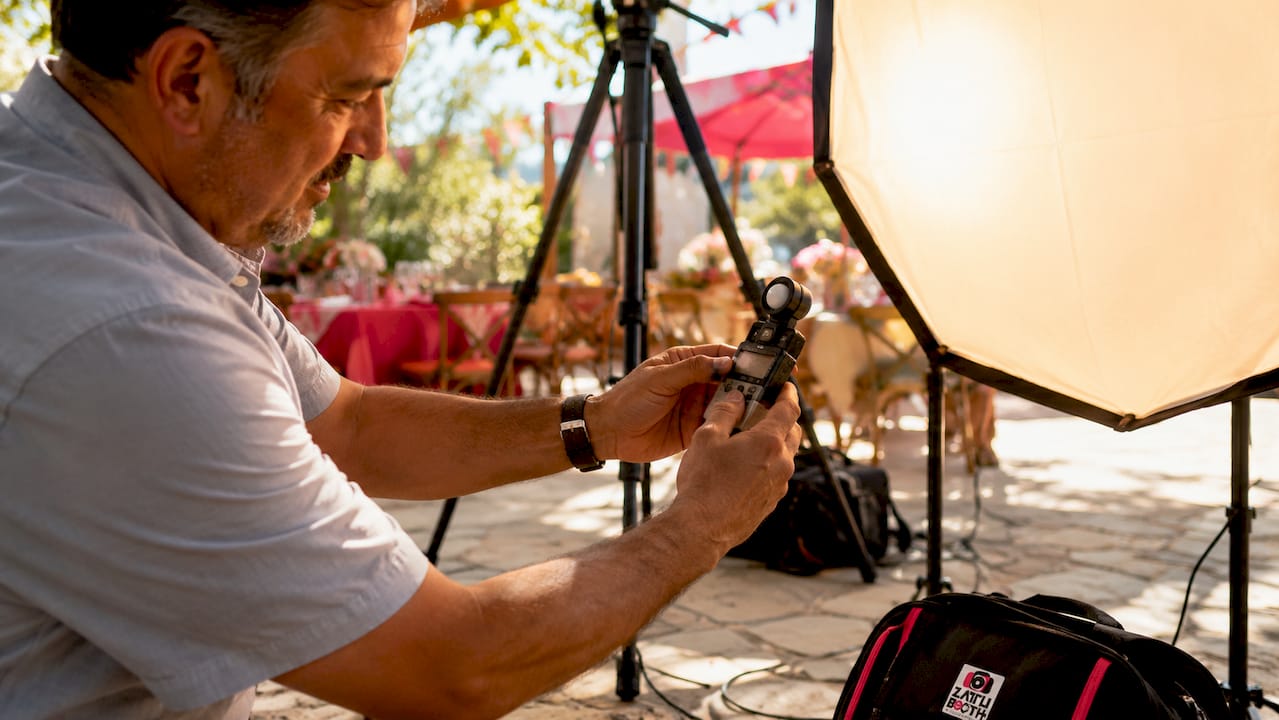
Shadow softness is equally critical. Hard shadows age faces and flatten expressions. Soft, diffused light wraps around subjects and produces the flattering, dimensional look guests actually want to share on social media. The size of the light source relative to its distance from the subject controls this quality entirely.
The third factor, venue integration, is the one most planners overlook. A photo booth’s lighting goal is to dominate immediate subject lighting without overpowering the venue’s curated ambiance. A candlelit wedding reception and a corporate gala with bright uplighting require completely different booth lighting strategies.
How do different lighting types affect photo booths in various venues?
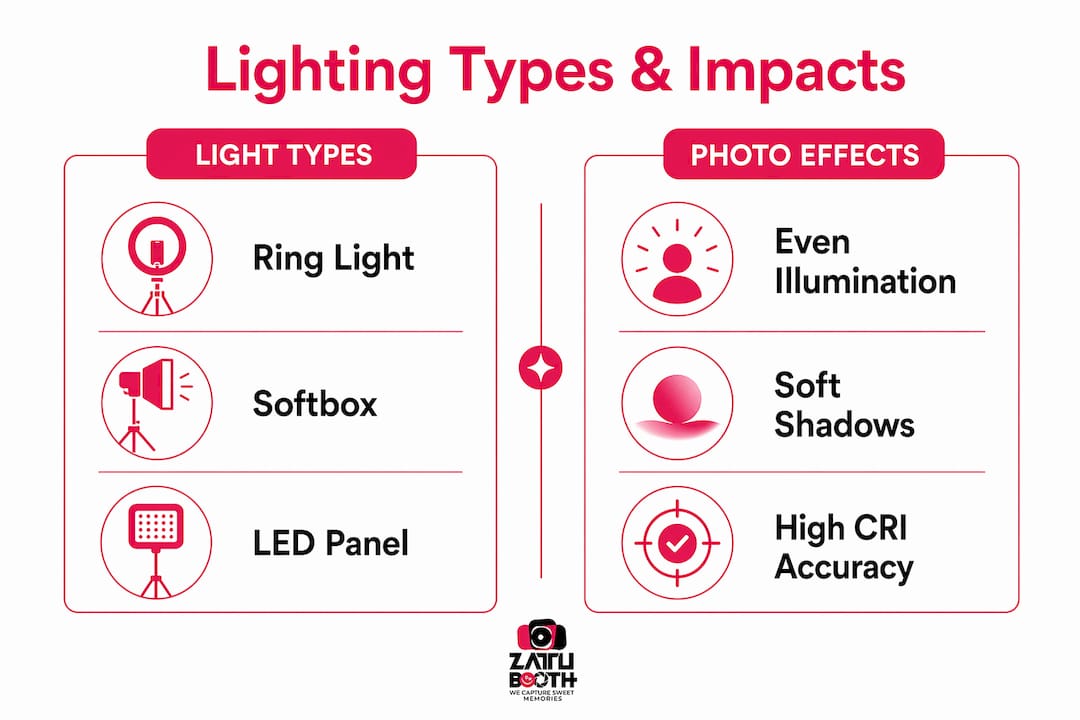
The three most common photo booth lighting types are ring lights, softboxes, and continuous LED panels. Each performs differently depending on venue size, ambient light levels, and the mood the event is designed to create.
Ring lights produce a distinctive circular catchlight in the subject’s eyes and deliver even, shadow-free illumination. They work well in smaller, intimate settings like birthday parties or bridal showers. However, RGB LED rings attract guests with coloured ambient glow but lack the high-CRI output needed for accurate skin tones in photos. Think of them as a marketing tool, not a primary capture light.
Softboxes diffuse light through a translucent panel, producing the soft, wrapping quality that flatters every face. A 32-inch softbox positioned at four feet produces similar shadow softness as a 48-inch softbox at six feet. This diameter-to-distance ratio is the key variable that separates flattering portraits from harsh, unflattering ones.
Continuous LED panels with a CRI of 90 or above give the camera’s autofocus system a consistent signal, which means faster autofocus and less colour correction in post-processing. They perform reliably across a wide range of venue types.
| Lighting type | Best venue environment | CRI performance | Shadow quality |
|---|---|---|---|
| Ring light | Intimate indoor events | Moderate | Flat, shadow-free |
| Softbox | Ballrooms, galas, weddings | High (90+) | Soft, dimensional |
| Continuous LED panel | Trade shows, corporate events | High (90+) | Adjustable |
| RGB LED ring | Any venue (ambient use only) | Low | Not suitable for capture |
Pro Tip: Match your lighting type to the venue class before you book. A softbox suits a ballroom wedding; a continuous LED panel handles a bright trade show floor. Choosing the wrong type for the environment costs you photo quality you cannot recover in editing.
What are the most common lighting pitfalls in event venues?
Colour temperature conflict is the single most damaging mistake in photo booth setups. Mixing a 5,500K flash with a venue’s 2,700K tungsten ambient lighting creates muddy, inconsistent skin tones that no filter corrects cleanly. The fix is straightforward: match your booth lighting’s colour temperature to the venue’s dominant light source, or position the booth so venue ambient light does not reach the subject.
Over-lighting is the second major pitfall. Planners often assume more light produces better photos. The opposite is true in venues with a curated mood. Flooding a candlelit reception with a 1,000-watt continuous light destroys the atmosphere the venue spent hours creating. Guests notice the disconnect immediately, and it reduces the perceived quality of the entire event.
Common pitfalls to watch for:
- Competing light sources. Windows, exit signs, and coloured uplights all introduce conflicting colour temperatures. Position the booth against a dark wall or use a backdrop that blocks these sources.
- Uncontrolled spill light. Light that spills beyond the subject area washes out the venue’s ambient mood. Use barn doors or flags to contain the beam.
- Ignoring venue lighting changes. Many venues dim or shift their lighting as the event progresses. A setup that works during cocktail hour may fail completely during dinner service.
- Skipping a test shoot. Arriving at the venue without testing your lighting against the actual ambient conditions guarantees surprises during the event.
Pro Tip: Apply the diameter-to-distance ratio before every setup. A larger modifier placed closer produces softer light with less total output, which means you can flatter your subjects without blasting the venue’s ambient mood.
Practical setup and placement tips for photo booth lighting
Proper placement solves most lighting problems before they start. Position your key light at a 45-degree angle to the subject and elevate it slightly above eye level. This angle mimics natural window light and produces the dimensional shadow pattern that makes faces look their best.
A standard photo booth setup requires a 110V outlet at 10 amps of dedicated power. Sharing a circuit with a DJ’s amplifier or a catering warmer introduces voltage fluctuations that cause strobes to misfire and continuous lights to flicker. Always confirm dedicated power access with the venue coordinator before the event day.
Space requirements matter as much as power. A studio-style booth with a full backdrop and two-light setup needs a footprint of roughly 10 feet by 10 feet to function properly. Cramped setups force subjects too close to the backdrop, which creates harsh shadows behind them and limits the number of guests who can pose together.
Backdrop choice amplifies or undermines your lighting. A white or light grey backdrop reflects light back onto subjects, which reduces the total output you need from your lights. A dark or patterned backdrop absorbs light and requires more power to achieve the same exposure. Sequin and glitter backdrops bounce light dynamically, adding visual energy to photos in low-light venues.
- Confirm dedicated 110V, 10-amp power access with the venue coordinator.
- Reserve a 10-by-10-foot footprint minimum for a two-light studio setup.
- Position the key light at 45 degrees and slightly above eye level.
- Choose a backdrop colour that complements the venue’s ambient light level.
- Run a full test shoot at the venue’s actual ambient light setting before guests arrive.
How does photo booth lighting affect guest experience and event atmosphere?
Well-lit photo booths attract more guests. Continuous lighting acts as a beacon, drawing attention across a crowded room and signalling that the booth is open and ready. A dark or poorly lit booth reads as inactive, and guests walk past it without stopping.
Flattering light builds guest confidence. When people see themselves looking vibrant and sharp on the preview screen, they stay longer, try more poses, and share their photos more widely. The opposite is equally true: harsh or unflattering light causes guests to delete their photos immediately and discourages repeat visits to the booth.
Lighting also affects accessibility. Guests with low vision or visual impairments rely on clear, well-defined visual contrast to navigate and engage with the booth. Bright, even illumination at the subject area makes the experience more welcoming for every guest at your event.
- Well-lit booths increase guest dwell time and repeat visits during the event.
- Flattering light drives social sharing, which extends the event’s reach beyond the room.
- Consistent, even illumination supports guests with varying visual needs.
- Lighting that complements the venue mood reinforces the event’s overall professionalism.
The glam photo booth format demonstrates this principle clearly. Soft, high-CRI lighting combined with a reflective backdrop produces the kind of polished, magazine-quality images that guests share immediately. The booth becomes part of the event’s identity, not just an add-on.
Key takeaways
Photo booth lighting determines photo quality and venue atmosphere simultaneously, making it the single most consequential technical decision in any event photo booth setup.
| Point | Details |
|---|---|
| CRI standard matters | Use lights with a CRI of 90 or above to reproduce accurate skin tones in photos. |
| Colour temperature must match | Align booth lighting to the venue’s ambient colour temperature to prevent muddy skin tones. |
| Diameter-to-distance ratio | A larger modifier placed closer produces softer light without flooding the venue’s ambient mood. |
| Power and space requirements | Reserve a dedicated 110V, 10-amp circuit and a 10-by-10-foot footprint for a proper two-light setup. |
| Lighting drives guest engagement | Well-lit booths attract more guests, increase dwell time, and boost social sharing after the event. |
What I’ve learned about lighting and venue atmosphere after years of real setups
The most persistent misconception I encounter from event planners is that brighter always means better. It doesn’t. The best photo booth lighting I’ve ever seen was in a dark, candlelit reception hall where the booth operator used a single large softbox at low power, positioned tight to the subjects. The photos were stunning. The venue’s mood was completely intact. Nobody at the table across the room even noticed the booth was running.
The mistake I see most often is operators who arrive with maximum-output lights and no plan for controlling spill. They blast the subject, wash out the venue, and then wonder why the couple is unhappy with how the reception looks in the background of every photo. The venue coordinator is unhappy too, because the carefully designed atmosphere is gone.
My honest advice: treat the venue’s existing lighting as a collaborator, not an obstacle. Walk the space before setup. Identify the dominant colour temperature. Find the darkest wall with a dedicated power outlet nearby. Then build your lighting to complement what’s already there, not compete with it. That approach produces better photos and happier clients every single time. It’s also what separates a professional wedding photo booth setup from a rental unit someone dragged in without a plan.
— George ZATTU
How ZATTU PHOTO BOOTH handles lighting for your venue
ZATTU PHOTO BOOTH brings studio-grade lighting to every event in Southwestern Ontario, calibrated to the specific venue before a single guest steps in front of the camera. Every setup uses professional continuous LED lighting with high CRI output, positioned and tested on-site to flatter your guests without disrupting the atmosphere your venue has created.
Whether your event is a corporate gala, a wedding reception, or a birthday celebration, ZATTU PHOTO BOOTH’s owner-operators arrive with the equipment and expertise to make the lighting work for your space. Our selfie photo booth rental includes professional lighting as a standard part of every package, not an add-on. Request a quote and we’ll walk you through exactly how we’ll set up for your venue.
FAQ
What is the ideal CRI for photo booth lighting?
A CRI of 90 or above is the professional standard for photo booth lighting. Lights below this threshold produce colour casts that distort skin tones and require significant post-processing to correct.
How does venue lighting affect photo booth photo quality?
Colour temperature conflicts between booth lights and venue ambient lighting cause muddy, inconsistent skin tones. Matching colour temperatures or blocking ambient light from the subject area resolves this problem.
What power does a photo booth need at a venue?
A standard photo booth setup requires a dedicated 110V outlet at 10 amps. Sharing a circuit with other high-draw equipment causes voltage fluctuations that affect lighting consistency and photo quality.
What space does a photo booth lighting setup require?
A two-light studio setup with a full backdrop needs a minimum footprint of approximately 10 feet by 10 feet. Tighter spaces force subjects too close to the backdrop and create unflattering shadows.
Does photo booth lighting affect guest participation?
Yes. Continuous lighting attracts guests by acting as a visual beacon across the room. Flattering light also builds guest confidence, which increases dwell time and drives social sharing after the event.